
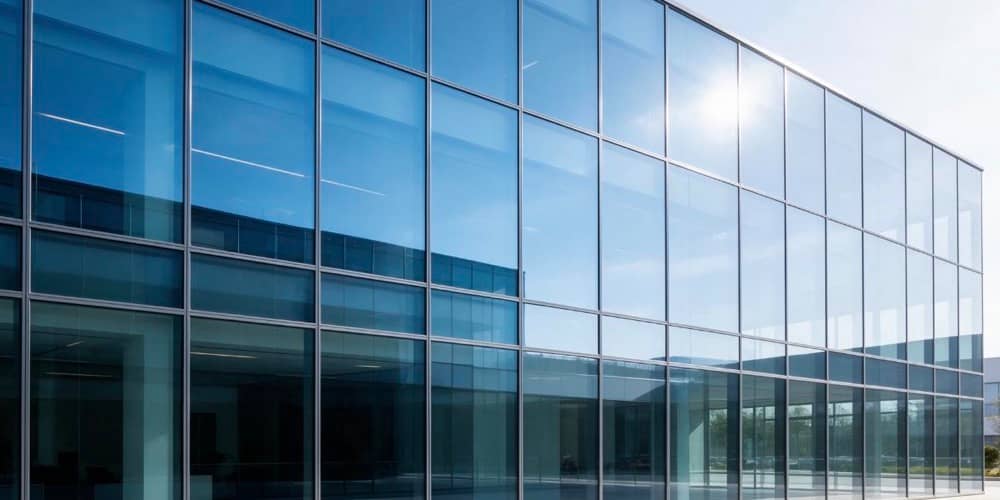
Solar control window film is applied to existing glass in homes and commercial buildings to manage how much solar heat and light passes through — without replacing the glass itself. It's one of the fastest, least disruptive ways to cut a building's cooling load and improve comfort in rooms that get direct sun.
The problem untreated glass creates
Glass is an efficient conductor of solar heat. A building with large, unshaded windows takes on significant solar heat gain through the day, forcing air conditioning to work harder to hold a comfortable indoor temperature — a real, ongoing operating cost, not a one-time inconvenience. Rooms facing direct sun often become unusable during peak hours without some form of solar control.
How solar control film addresses it
Solar control film is engineered to reject a substantial share of incoming solar heat before it enters the building, while still allowing usable natural light through — the goal isn't to darken a room, it's to filter out the heat-carrying and UV portions of sunlight while keeping visible light in.
Reduced cooling costs. Less solar heat gain means the HVAC system cycles less to maintain the same indoor temperature, which shows up as a real, measurable reduction in energy costs over time — particularly in west- and south-facing glass that takes the most direct sun.
UV protection for interiors and occupants. Unfiltered UV exposure through glass fades furniture, flooring, and artwork over time, and contributes to the same skin damage as unprotected outdoor sun exposure. Solar control film blocks the large majority of that UV radiation.
Glare reduction without losing the view. Occupants near unshaded, sun-facing glass often deal with screen glare and uncomfortable brightness. Solar control film cuts glare substantially while keeping the outside view clear — unlike blinds or curtains, which block the view along with the glare.
Where it's used
Solar control film is common on office towers and commercial glass facades, retail storefronts, and residential homes with large west-facing windows — anywhere direct sun turns a room or a workspace uncomfortable during part of the day.
Installed on your existing glass
Because solar control film applies directly to the glass you already have, there's no window replacement, no structural work, and installation is typically completed with minimal disruption to an occupied building. Aztek's certified installer network handles both commercial and residential projects.
Choosing the right film for your building
Not every facade needs the same solution. A west-facing office tower taking direct afternoon sun has different priorities than a retail storefront mainly concerned with UV fading of displayed merchandise, or a home with a sunroom that becomes unusable by early afternoon. Film performance varies by heat-rejection level, visible light transmission, and appearance (from virtually clear to a subtle reflective tint), so the right choice depends on the specific glass, orientation, and goals for that space. Aztek's certified installers assess the actual glass and sun exposure before recommending a specific product rather than a default option.
What installation looks like
Solar control film installation starts with a careful cleaning of the glass surface — any trapped dust or residue becomes a visible flaw once the film is applied, so this step is done meticulously. The film is then cut to the exact dimensions of each pane and applied with a specialized solution that allows it to be positioned before it sets, followed by squeegeeing out any moisture or air bubbles. For an occupied office building, installation is typically scheduled to minimize disruption — often after hours or floor by floor — rather than requiring the space to be vacated.
Maintaining film-treated glass
Solar control film requires very little ongoing maintenance. Clean it the same way you'd clean any window — a soft cloth or squeegee and a non-ammonia glass cleaner — avoiding ammonia-based products, which can degrade adhesive over years of repeated cleaning, and avoiding abrasive scouring pads directly on the film surface.
Who solar control film is right for
Any building with unshaded, direct-sun glass and a noticeable cooling burden is a candidate — the return shows up most clearly on west- and south-facing exposures, upper floors of office towers with large curtain-wall glass, and retail spaces where merchandise fading is a real ongoing cost. For a homeowner, the same logic applies to whichever rooms currently need blinds drawn by early afternoon just to stay comfortable.
One digital warranty, every installation
Like every Aztek installation, solar control film is registered to our digital warranty system — a verifiable record of what was installed and when. If privacy is also a concern for ground-floor or street-facing glass, our privacy film page covers films designed for exactly that.