
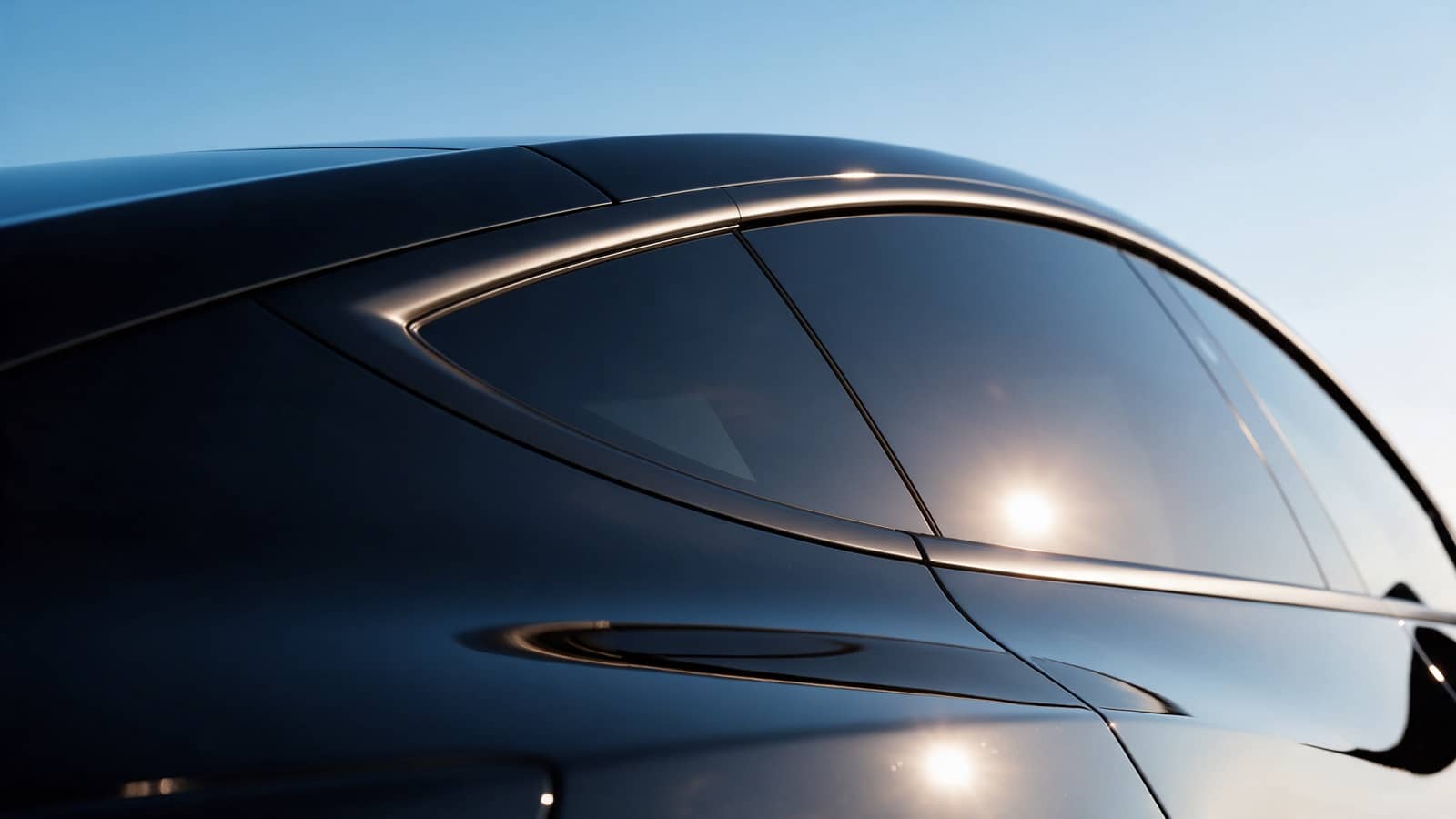
Automotive window film is a thin, precision-cut layer applied to the inside of your vehicle's glass. Beyond the tint you can see, modern automotive film is engineered glass technology: it manages heat, blocks UV radiation, cuts glare, and adds a layer of shatter resistance to the glass it's applied to.
Why drivers add window film
Heat rejection. Direct sunlight through untreated glass turns a parked car into an oven and keeps your air conditioning working overtime once you're driving. Automotive window film is engineered to reject a significant share of solar heat before it enters the cabin, keeping the interior noticeably cooler and reducing how hard your AC has to work.
UV protection. Ordinary automotive glass blocks only a fraction of the UV radiation that causes interior fading, cracked dashboards, and — for the people inside — the same long-term skin damage caused by unprotected sun exposure. Quality window film blocks the large majority of that UV radiation, protecting both your interior and your skin on long drives.
Glare reduction. Low sun, wet roads, and oncoming headlights all cause glare that's more than a comfort issue — it's a real visibility hazard. Window film cuts glare without darkening your view of the road the way sunglasses alone would.
Interior protection. UV exposure and heat are what age a car's interior — cracking leather and vinyl, fading upholstery, and warping dashboard plastics over years of sun exposure. Window film slows all of that down substantially, which matters if you plan to keep or resell the vehicle down the line.
A layer of shatter resistance. Automotive film adds a thin, tough layer to the glass surface. It's not a substitute for proper safety glass, but in the event of an impact, film-treated glass tends to hold together in larger pieces rather than scattering — one more layer between you and broken glass.
Installed to your vehicle, not a generic template
Aztek's certified installers precision-cut film to your vehicle's exact glass shapes rather than trimming a generic sheet by hand, so the film sits flush against the edge of every window with a clean, factory-look finish — no visible gaps, no bubbling over time.
Legal tint limits
Tint darkness is regulated and varies by state and country. Aztek's certified installers are familiar with local regulations and will help you choose a film that meets your area's legal requirements while still giving you the heat and UV protection you're after.
Maintaining tinted windows over time
Beyond the initial curing period, tinted windows hold up well with minimal upkeep. Roll windows down occasionally (once fully cured) rather than leaving them permanently up, since the glass edge and window seals benefit from periodic movement. If you notice any bubbling, discoloration, or peeling develop over time — signs of a lower-quality film breaking down under UV exposure — it's worth having it inspected, since a failing film loses both its appearance and its functional benefits. Quality film, properly installed and cared for, is designed to hold its clarity and performance for years rather than degrading within a single season.
What determines the right film for your car
Not every vehicle and every driver needs the same film. Someone commuting long highway distances in a hot climate is usually most focused on heat rejection and cutting AC strain; someone with an older car and worn, sun-damaged interior surfaces may prioritize UV protection to slow further fading; someone driving frequently at night cares most about glare reduction from oncoming headlights. Aztek's certified installers walk through these priorities with you before recommending a specific film rather than defaulting to a single one-size-fits-all option.
Caring for tinted windows
Freshly installed window film needs a short curing period — typically a few days — during which you should avoid rolling down the windows or cleaning the glass, since the adhesive is still setting. After that, cleaning tinted windows is straightforward: use a soft cloth or squeegee with a non-ammonia glass cleaner, since ammonia-based cleaners can degrade film adhesive over years of repeated use. Avoid abrasive scrubbing pads on the film side of the glass, and don't use adhesive-backed items (like suction-cup mounts) directly against film, since they can lift the edge over time.
Backed by the same digital warranty
Automotive window film installation is registered to Aztek's digital warranty system — verifiable, transferable, the same record-keeping every Aztek service uses. If you're also protecting your paint, take a look at our paint protection film page — many customers do both in the same visit.