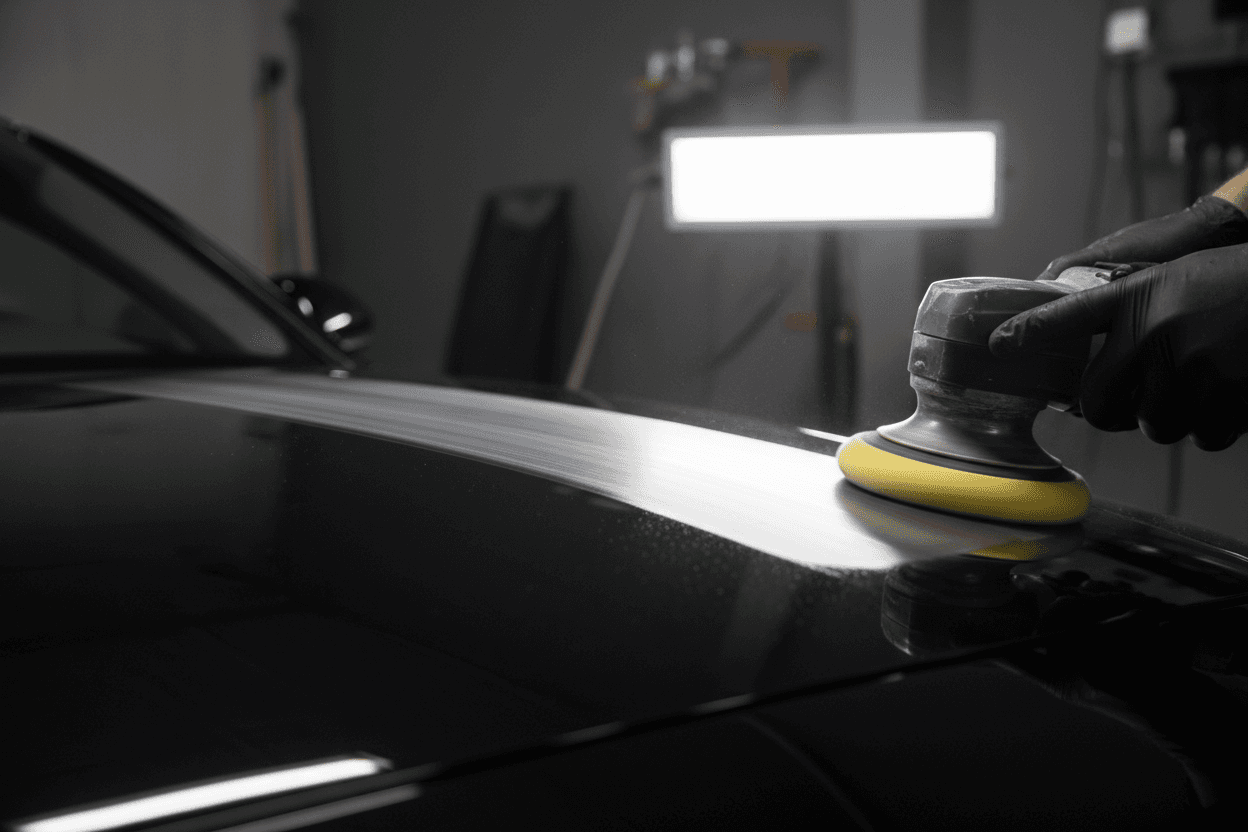

Matte PPF has a distinctive, satin look that reads as more understated and often more premium than gloss — but the finish itself changes how the film behaves day to day, not just how it looks. Here's what actually differs beyond the obvious visual.
Same core film, different top layer
Matte and gloss PPF share the same base polyurethane film and, in most quality products, the same self-healing top-coat technology. The difference is a textured top layer on matte film that scatters light instead of reflecting it cleanly — which is what produces the flat, satin appearance instead of a mirror finish.
The maintenance difference that catches people off guard
Matte film's textured surface is more prone to visibly holding fingerprints, water spots, and light surface grime than gloss — not because it's less protective, but because the same texture that scatters light also makes contaminants more visible sitting on top of it. It's a genuinely higher-maintenance finish: matte film typically needs matte-specific care products (a standard wax or many all-purpose detailing sprays can add unwanted shine or streaking) and more frequent gentle washing to look its best.
Self-healing still works — with one caveat
Matte film's self-healing top-coat responds to heat the same way gloss does, but a repaired area on matte film can occasionally show a very slight difference in texture immediately after healing, most visible under close inspection in direct light. It settles and blends within a short time in most cases, but it's worth knowing before choosing matte for a vehicle that will be scrutinized up close.
Repairability and edge visibility
Gloss film's mirror finish makes any edge or seam essentially disappear into the paint's own reflection. Matte's flat finish makes edges and seams very slightly more visible by comparison, simply because there's less reflected light to hide the transition — another reason installation quality (see our piece on edge wrapping and seams) matters even more on a matte install.
The bottom line
Matte isn't a lower-durability choice — the underlying film performs the same. It's a different maintenance commitment and a different look, and the right choice comes down to which trade-off you're actually willing to live with day to day.