Ceramic coatings are sold across a wide price range — from budget consumer-grade bottles to professional-only formulations that cost significantly more per application. The honest answer to "what am I paying for" is durability, not gloss. Most coatings in a given SiO2 family look similar fresh off the applicator; the difference shows up eighteen months later.
What actually separates coating tiers
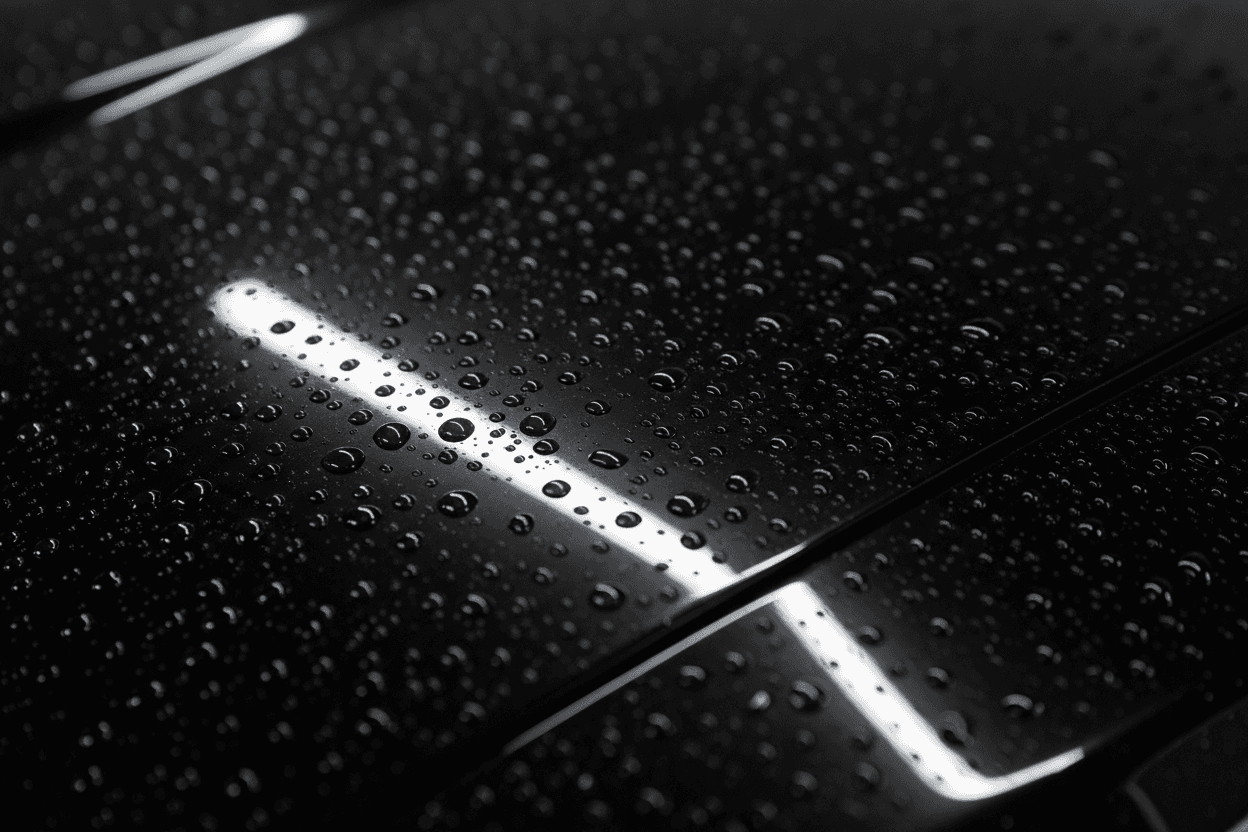
The headline spec on any ceramic coating is cross-link density — how tightly the silicon dioxide network bonds to itself and to the clear coat underneath. Higher-end formulations use multi-layer application (a base layer plus a top layer) and longer cure times to build a denser, harder film. That density is what resists marring from automated washes, resists etching from bird droppings and tree sap, and keeps the surface's hydrophobic behavior — water beading and sheeting rather than pooling — intact for years instead of months.
Where the gloss comes from
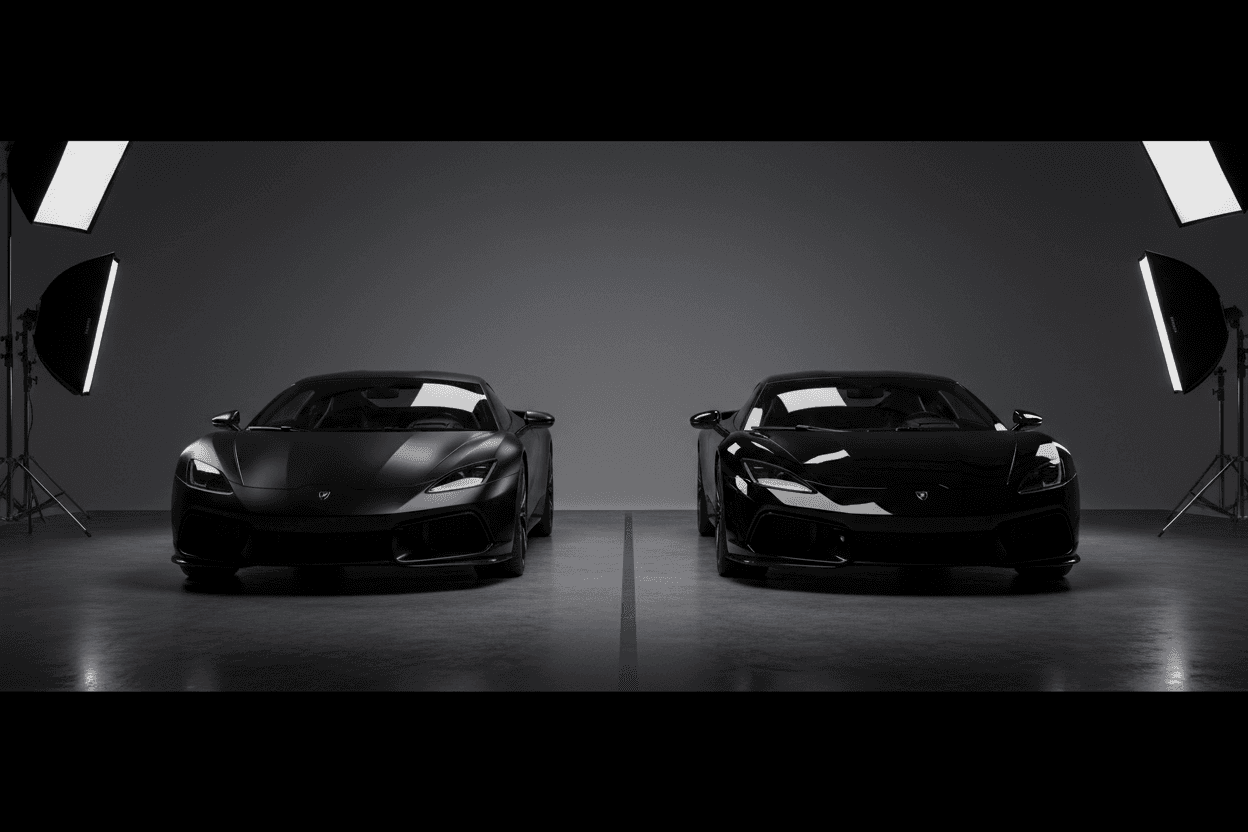
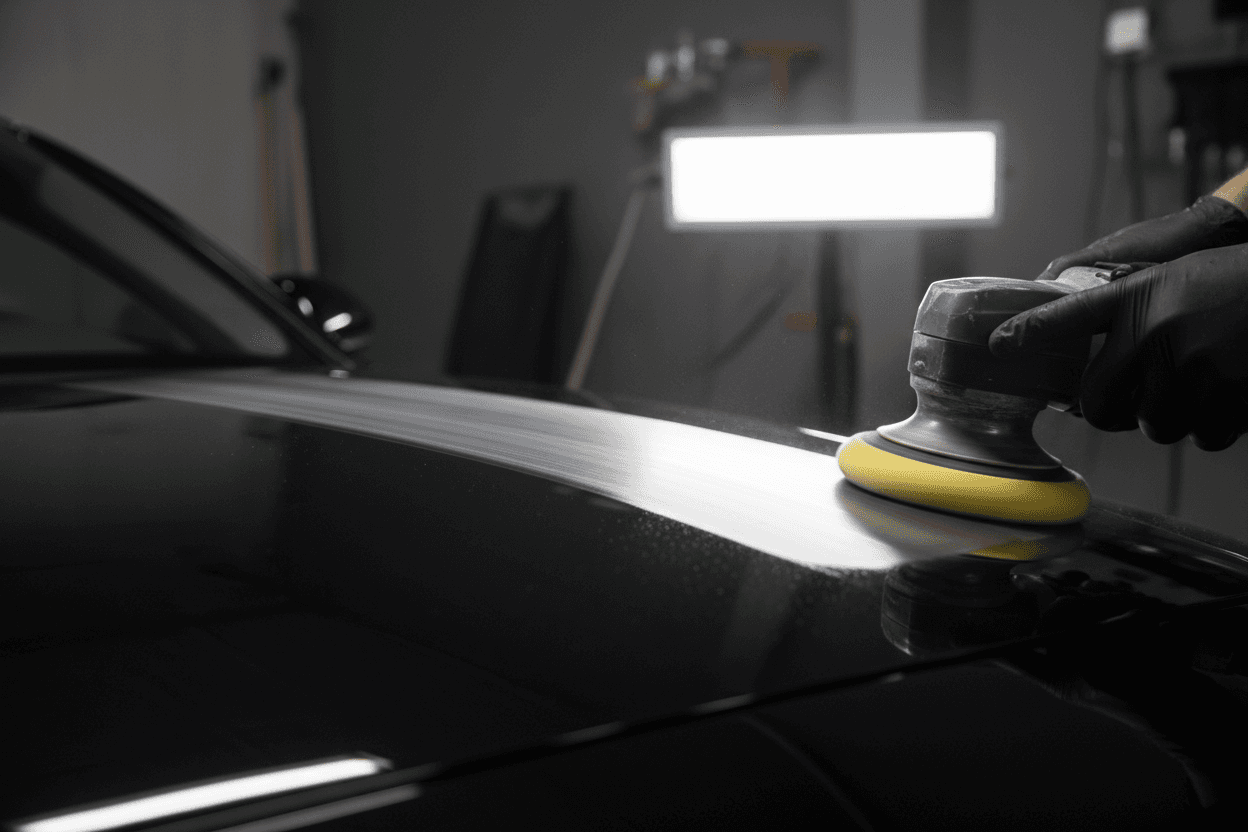
Depth of gloss is mostly a function of how well the coating fills microscopic imperfections in the clear coat, which is why paint correction before coating matters as much as the coating itself (a poorly prepped surface will look the same under any coating tier). Once the surface is properly corrected, even a mid-tier coating will look glossy on day one — the visual difference between tiers is smaller than the marketing suggests.
The real trade-off: maintenance, not looks
What you're actually buying with a higher tier is a longer maintenance-free window. A lower-tier coating may need a maintenance top-up or reapplication within a year to keep performing; a professional multi-year coating extends that interval substantially, which is where the cost difference is recovered — less frequent correction and reapplication work over the life of the coating.
The bottom line
If you're chasing a showroom look for a single event, tier doesn't matter much. If you want the coating still performing the way it did on day one years from now, the difference is in the chemistry and cure process, not the shine — and that's genuinely worth paying for.